
Best Waterproofing Techniques
Table of Contents
Use best waterproofing techniques to protect your home/building with expert waterproofing services for terrace, tank, wall, and floor waterproofing with long-lasting results.
APP Membrane
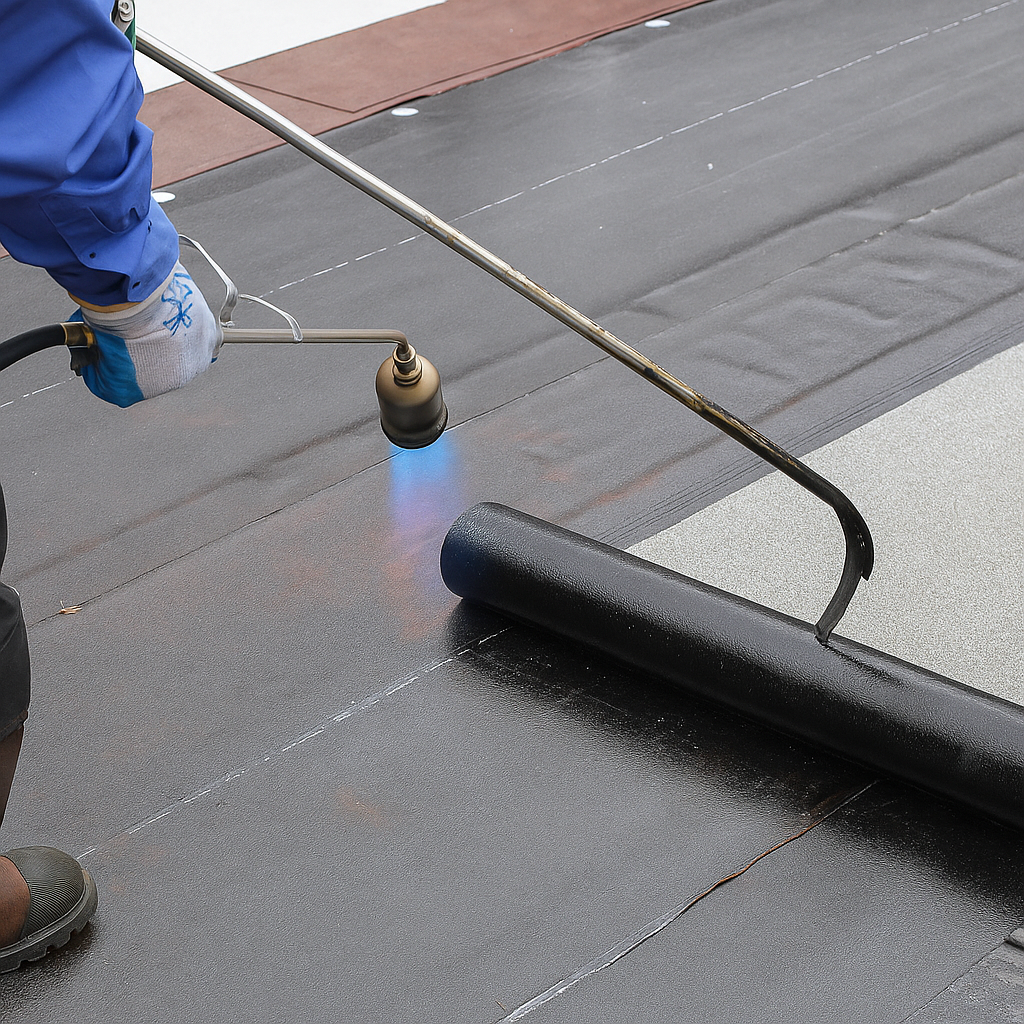
APP membrane waterproofing uses a special sheet made from bitumen mixed with plastic-like materials called atactic polypropylene polymers. Workers apply this sheet using heat (torch), which makes it stick firmly to the surface. The membrane becomes tough, flexible, and strong enough to handle high temperatures and physical pressure.
As a result, it works very well on terraces that experience regular foot traffic. In addition, it creates a long-lasting waterproof layer that doesn’t need much maintenance. Moreover, its ability to handle heat and expansion makes it an excellent choice for Indian weather, where temperatures and conditions often change.
Injection Grouting
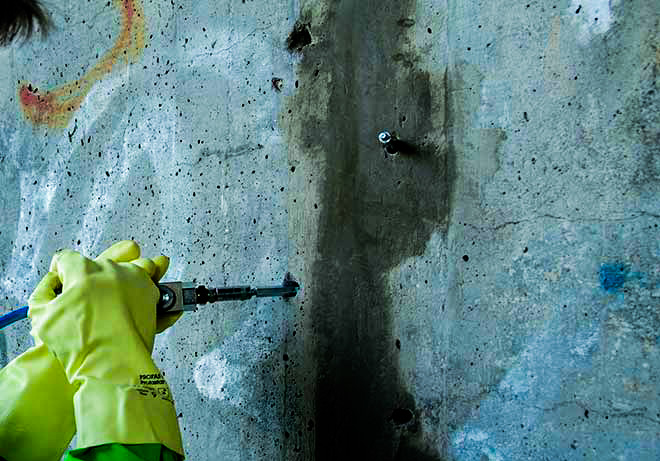
Injection grouting is a method used to stop active water leakages, especially on terraces. In this process, workers use pressure pumps to inject special chemical grouts directly into cracks, gaps, or empty spaces in the surface. Once inside, the chemicals expand and fill the spaces completely, sealing the leakage points from within. As a result, the damaged or weak areas become stronger and more water-resistant.
One major advantage of this method is that it doesn’t require breaking or removing any part of the existing surface. Therefore, it saves time and effort while still providing a long-lasting waterproofing solution.
Crystalline Waterproofing
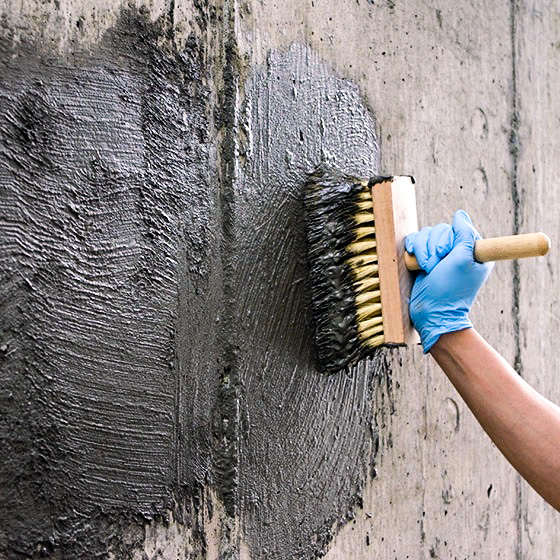
Crystalline waterproofing is a modern method used to protect concrete from water damage. In this process, workers apply a special chemical coating on the concrete surface. After application, the chemical goes deep into the concrete and reacts with moisture inside. As a result, it forms tiny crystals that grow and fill up small cracks, holes, and pores. These crystals block water from passing through the concrete.
Unlike regular surface coatings, this method becomes a permanent part of the concrete. Even if the surface gets scratched or damaged later, the crystals inside continue to protect the structure from water. Because of its long-lasting protection, people often use crystalline waterproofing in basements, water tanks, foundations, and other areas where strong and lasting waterproofing is needed.
Brick Bat Coba Waterproofing
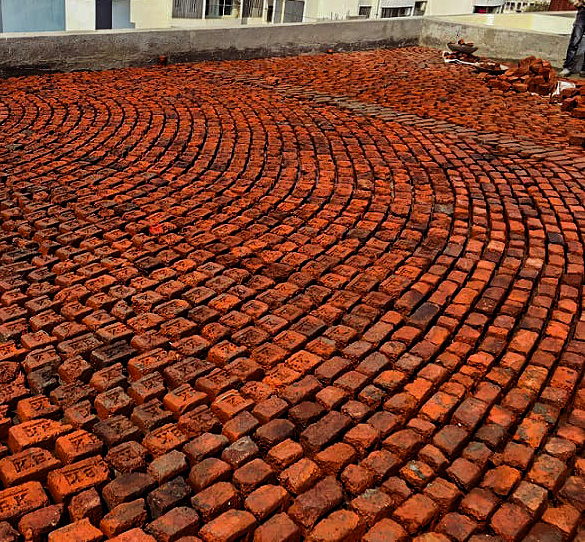
Brick bat coba waterproofing is a traditional method widely used to protect terraces from water leakage. In this process, workers first apply a layer of waterproof plaster on the surface. Next, they place brick bats (flat pieces of brick) over the plaster, arranging them with a gentle slope to guide water flow. Finally, they cover everything with a layer of cement screed to seal and smooth the surface. The sloped design helps rainwater drain off easily and prevents water from collecting on the terrace.
Although this method takes more time and effort compared to modern techniques, it still provides strong and reliable waterproofing. Moreover, it also offers thermal insulation, which helps reduce heat and keeps the rooms below cooler—especially useful in hot climates.
Cementitious Waterproofing
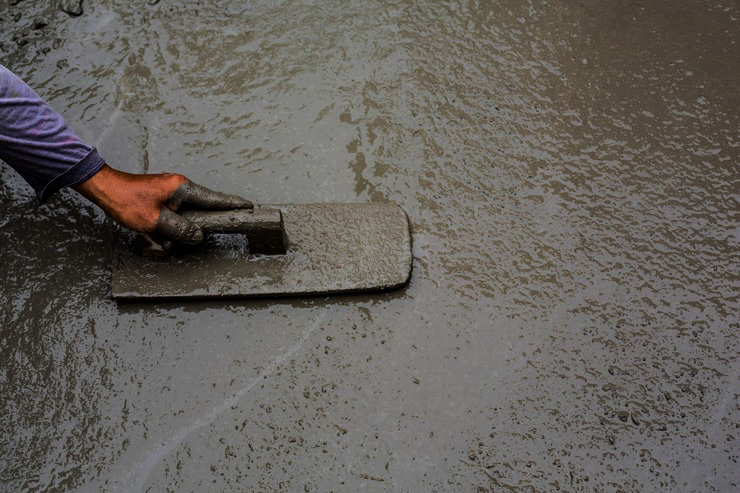
Cementitious waterproofing is a simple and cost-effective method, especially popular for terraces. In this process, workers mix cement-based waterproofing materials with water to form a thick, paint-like slurry. Then, they apply this mixture directly onto the terrace surface using a brush or trowel, covering all areas evenly. Once it dries, the slurry forms a hard, protective layer that sticks well to the concrete and blocks water from seeping through.
Because of its simplicity, this method is easy to use and doesn’t require special tools or equipment. However, it is less flexible than other waterproofing methods, which means it may not handle heavy movement or cracks as well. For basic waterproofing needs especially in residential buildings it offers a reliable and long-lasting solution at a lower cost.
Click here for more details – https://mmengineeringblr.com/best-waterproofing-techniquesmethods-for-terrace-area/
Why Waterproofing is Important?
1. Protects Against Water Damage
Water is one of the most damaging elements a building can face. Without proper waterproofing, water can seep into walls, roofs, and foundations, causing damp patches, mold growth, and even structural weakening over time. These issues not only harm the integrity of the building but also lead to costly repairs. By applying effective waterproofing solutions, you can safeguard your property from these common problems and avoid unnecessary maintenance expenses.
2. Extends the Life of the Structure
When a building stays dry and free from leaks, its overall durability improves significantly. Waterproofing prevents moisture from entering the internal structure, which means materials like concrete, steel, and wood remain strong and intact. This protection enhances the lifespan of the building, allowing it to remain stable and safe for many years—even across generations.
3. Improves Indoor Health and Comfort
A dry home is a healthy home. Moisture that enters the building can create a perfect environment for mold, mildew, and bacteria to grow, especially in walls and ceilings. These can lead to serious respiratory issues, skin irritations, and allergies—particularly in children, the elderly, and those with asthma. Proper waterproofing helps prevent these risks by keeping indoor spaces dry, fresh, and breathable.
4. Preserves Aesthetic Appeal
Water leaks and seepage can ruin the look of your home over time. Stains on ceilings, peeling paint, damaged plaster, and bubbling wallpaper are all signs of water intrusion. Waterproofing helps prevent such damage, allowing your walls, floors, and surfaces to maintain their original appearance. This not only keeps your home beautiful but also adds value and curb appeal in the long run.
Health and Safety protocols
1. Mandatory Use of Personal Protective Equipment (PPE)
Personal protective equipment (PPE) is a non-negotiable safety requirement on any job site. All workers must wear the appropriate gear for their tasks, including helmets, gloves, safety goggles, hearing protection, dust masks, and high-visibility vests or clothing. PPE acts as the first line of defense against a wide range of hazards such as falling objects, chemical exposure, electrical shocks, and airborne particles. Not only does PPE help prevent immediate physical injuries, but it also protects workers from long-term health issues like respiratory diseases or noise-induced hearing loss.
2. Fall Prevention Measures
Working at heights is one of the most dangerous aspects of construction and industrial work. To ensure worker safety, fall prevention systems must be in place wherever elevation work is performed. This includes the use of guardrails, safety nets, barriers, and fall arrest harness systems. These protective tools are essential in reducing the risk of serious injury or death from falls. In addition, workers should be trained in how to use fall protection equipment correctly, and work areas should be routinely checked to ensure compliance with safety standards.
3. Daily Risk Assessment
Before starting work each day, it’s important to assess the site for any new or changed conditions. This includes checking the weather forecast, examining all equipment, and evaluating any shifts in team personnel or job tasks. Even small changes can introduce new hazards. By identifying these risks early, site supervisors can update safety plans, reassign duties if needed, and ensure all workers are aware of the latest conditions. This proactive approach greatly reduces the chance of unexpected accidents during operations.
4. Equipment Maintenance and Repairs
Well-maintained equipment is critical to workplace safety. Tools and machines should undergo regular inspections to ensure they operate correctly. If any equipment shows signs of damage or malfunction, it must be removed from use immediately and repaired before it can be used again. This process not only prevents mechanical failure but also protects workers from potential injury. Scheduled maintenance programs and routine safety checks help maintain the integrity of all machinery and minimize downtime due to repairs.
5. Safety Training and Awareness
Even the best safety equipment and procedures are ineffective without proper training. All employees must receive regular safety training tailored to their roles and responsibilities. This includes instructions on operating machinery, emergency response, first aid basics, and understanding job-specific hazards. Continuous awareness programs and toolbox talks ensure that safety remains a top priority every day. Well-informed workers are more confident, cautious, and capable of preventing accidents before they happen.